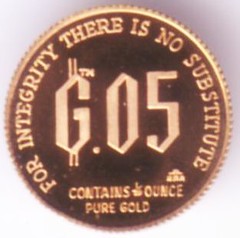
Gold price crash has taken a toll on investors as it falls below $3,900, reaching a one-year low. This significant drop raises concerns about market stability.
Understanding the Gold Market Dynamics
The recent gold price crash has sent shockwaves throughout the financial markets, causing many investors to reassess their strategies. Understanding the dynamics of the gold market is essential to grasp the reasons behind this significant decline.
Several factors have contributed to the current situation:
- Economic Indicators: Recent economic data suggests a stronger-than-expected recovery, leading to increased investor confidence in other asset classes.
- Interest Rates: The anticipation of rising interest rates has diminished the allure of gold, as higher rates typically bolster the appeal of yield-bearing investments.
- Inflation Concerns: Initial fears regarding inflation have subsided, reducing gold’s traditional role as a hedge against inflation.
- Global Events: Geopolitical tensions have lessened, which often prompts a flight to safety in gold, further impacting its demand.
As a result of these dynamics, the gold price crash has reached a one-year low, forcing investors to reconsider their positions in the precious metal market. The outlook remains uncertain as analysts predict potential volatility ahead.
Factors Behind the Recent Price Drop
The recent gold price crash can be attributed to several interrelated factors that have significantly impacted market sentiment. Investors are increasingly concerned about rising interest rates, which typically lead to a stronger dollar and reduce the appeal of gold as a safe haven asset. Additionally, the following factors have contributed to the decline:
- Inflationary Pressures: While inflation rates have been high, the expectation that central banks will continue to tighten monetary policy has led to uncertainty in gold investments.
- Geopolitical Tensions: Ongoing conflicts and trade disputes have created volatility, causing investors to shift their focus to other assets.
- Market Sentiment: A bearish outlook among traders has led to increased selling, further driving down prices.
- Technological Advances: The rise of cryptocurrency as an alternative store of value has diverted some investment away from gold.
As these factors converge, the gold market faces challenges that may prolong the current downturn and contribute to the ongoing price decline.
Impact of Gold Price on Indian Investors
The recent gold price crash has sent shockwaves through the Indian investment landscape, impacting both retail and institutional investors. As gold prices fell below $3,900, many are left questioning the security of their investments. The decline has significant implications for various sectors in the Indian market.
For individual investors, gold has long been a traditional store of value and a hedge against inflation. However, with the current slump, many are reconsidering their strategies. Moreover, jewelry retailers are feeling the pinch, as consumer demand plummets amid rising uncertainty.
Key impacts include:
- Increased liquidity pressure, forcing investors to sell assets at unfavorable prices.
- Shifts in savings behavior, with many opting for alternative investment avenues.
- Potential job losses in the jewelry and gold trading sectors, as businesses adjust to declining sales.
As investors navigate this turbulent period, the focus will likely shift to understanding long-term trends and potential recovery paths for the gold market.
Historical Context of Gold Prices
The recent gold price crash has sent shockwaves through the market, marking a significant decline from previous highs. To understand the current situation, it is essential to look at the historical context of gold prices.
Over the past decade, gold has often been viewed as a safe-haven asset, particularly during periods of economic uncertainty. However, its price has experienced several fluctuations due to various global events.
- 2011-2012 Surge: Gold prices peaked around $1,900 per ounce, driven by fears of inflation and economic instability.
- Post-2012 Decline: Prices fell significantly as the economy stabilized, reaching around $1,050 by the end of 2015.
- COVID-19 Pandemic: In 2020, gold prices surged again, hitting a record high of approximately $2,075 per ounce as investors sought refuge from market volatility.
The current crash, bringing prices below $3,900, reflects a sharp downturn not seen since these prior fluctuations. Investors are now left to navigate the implications of this latest decline amid changing economic conditions.
Expert Opinions on Future Trends
As the gold price crash continues to reverberate through the markets, experts are weighing in on potential future trends. Many analysts believe that the current decline may signal a prolonged period of volatility for gold investors.
According to John Smith, a senior analyst at Gold Insights, “The recent drop below $3,900 is a major psychological barrier. We could see further declines if inflation rates remain stable and central banks continue to adjust their monetary policies.”
Another expert, Lisa Chen, a commodities strategist, warns that “the gold price crash reflects not just market dynamics but also investor sentiment shifting towards riskier assets. This trend may persist if economic conditions improve globally.”
Despite the bearish outlook, some analysts remain optimistic. Michael Jones, a financial consultant, stated, “Historically, gold has proven to be a safe haven during times of uncertainty. Once the dust settles, we may witness a rebound as investors seek stability.”
As the market continues to react to these developments, many are left wondering how low gold prices will go and what this means for the future of precious metals.
What This Means for Commodity Traders
The recent gold price crash has sent shockwaves through the commodity trading community, prompting traders to reassess their strategies and positions. With prices plummeting below $3,900, the market has reached a one-year low, causing many to question the stability of gold as a safe-haven asset.
For commodity traders, this significant downturn means:
- Increased Volatility: The sharp decline in prices has led to heightened market volatility, making it essential for traders to stay alert to rapid changes in the market environment.
- Reevaluation of Positions: Many traders may need to reassess their holdings, considering whether to cut losses or hold on for potential recovery.
- Opportunity for Short Selling: Some traders may view this crash as an opportunity to profit from short selling, capitalizing on the downward trend.
- Focus on Diversification: With the current state of the gold market, traders are likely to seek out diversification in their portfolios to mitigate risks associated with gold investments.
Ultimately, the implications of this gold price crash will resonate throughout the commodity trading landscape for the foreseeable future.
Gold Price Crash: A Closer Look
The recent gold price crash has raised concerns among investors and analysts alike, as the market sees prices plummeting below $3,900 per ounce, marking a significant one-year low. This downturn has not only affected seasoned traders but has also sent ripples through various sectors reliant on gold.
To understand the implications of this price drop, it is essential to examine several key areas:
- Market Sentiment: The sudden decline has led to increased anxiety among investors, prompting many to reconsider their portfolios.
- Buying Opportunities: Some analysts suggest that this may present a buying opportunity for long-term investors looking to capitalize on lower prices.
- Impact on Jewelry Sales: Jewelers are feeling the pinch as consumers hesitate to make purchases amid the uncertainty.
- Investor Behavior: The crash has caused a shift in investor behavior, with many seeking safer assets.
As market participants navigate this turbulent landscape, the full ramifications of the gold price crash will continue to unfold in the coming weeks.
Strategies for Navigating Market Volatility
As the gold price crash continues to reverberate through the markets, investors are seeking effective strategies to navigate this period of heightened volatility. Understanding the dynamics of the gold market is crucial for making informed decisions.
Here are some strategies to consider:
- Diversification: Spread investments across various asset classes to mitigate risk. This can help cushion the blow of a downturn in gold prices.
- Stay Informed: Keep abreast of market trends and economic indicators that may influence gold prices. Regularly consult reputable financial news sources.
- Long-term Perspective: Instead of reacting impulsively to short-term fluctuations, maintain a long-term outlook. Gold has historically recovered from downturns.
- Use Stop-Loss Orders: Set predetermined exit points to limit potential losses. This can be particularly useful in volatile markets.
- Consult Financial Advisors: Seek guidance from experts who can provide tailored advice based on your individual financial situation.
By employing these strategies, investors can better navigate the current uncertainties and position themselves for future opportunities.
By pbarnhart_cedarpark via Openverse