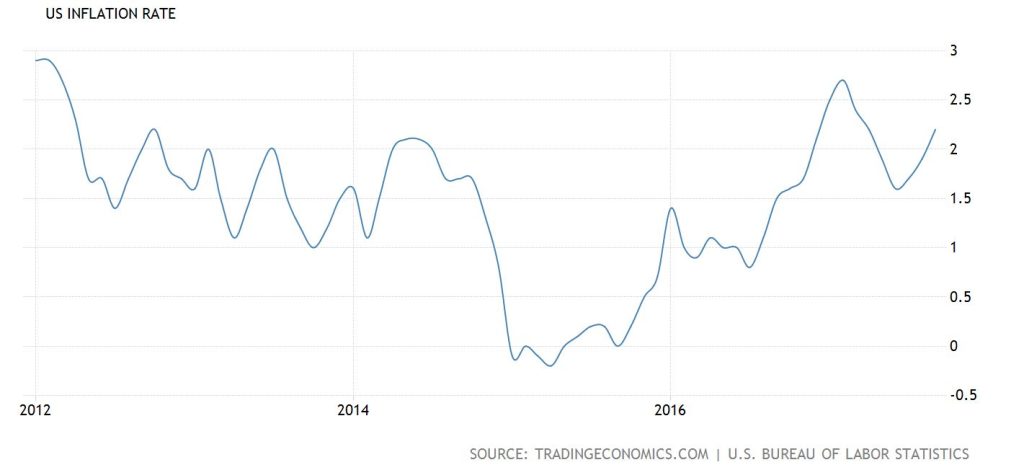
US inflation rate has recently risen to 3.8%, highlighting ongoing economic challenges. This increase is likely to influence future monetary policies.
Understanding the Current Economic Climate
The recent surge in the US inflation rate to 3.8% has raised significant concerns among economists and policymakers. This increase marks one of the most substantial rises in recent years, prompting discussions about the implications for the broader economy.
As prices continue to climb, the Federal Reserve is under pressure to consider further interest rate hikes. These actions are aimed at curbing inflation and stabilizing the economy. However, the challenges are multifaceted:
- Consumer spending: Higher prices may lead to reduced consumer confidence.
- Investment risks: Increased borrowing costs could deter businesses from investing.
- Wage growth: If wages do not keep pace with inflation, purchasing power declines.
In this environment, understanding the nuances of the US inflation rate is crucial for both consumers and investors as they navigate the changing economic landscape.
Factors Contributing to Rising Inflation
The recent surge in the US inflation rate to 3.8% has raised significant concerns among economists and policymakers alike. Several factors are contributing to this troubling rise, necessitating urgent attention and action.
Firstly, supply chain disruptions stemming from global events continue to impede the availability of goods, driving prices higher. Additionally, increased consumer demand, fueled by the economic recovery post-pandemic, has outpaced supply, leading to inflationary pressures.
Moreover, rising energy prices have played a crucial role in the overall increase. Volatility in oil markets and heightened transportation costs have further compounded inflation challenges.
Finally, labor shortages in various sectors have resulted in wage increases, which are often passed on to consumers through higher prices. Addressing these underlying issues will be essential in curbing the current inflation trend and stabilizing the economy.
US Inflation Rate: What It Means for Consumers
The recent increase in the US inflation rate to 3.8% has significant implications for consumers across the country. As prices rise, households may face challenges in managing their budgets and maintaining their standard of living.
Consumers will likely notice changes in several areas, including:
- Grocery Costs: The price of everyday food items continues to escalate, impacting meal planning and overall spending.
- Housing Expenses: Rent and mortgage rates may also rise, leading to increased financial strain for many families.
- Utility Bills: Higher energy prices can lead to elevated utility costs, affecting monthly expenses.
In response, consumers are advised to adjust their spending habits and seek budget-friendly options. The current US inflation rate underscores the need for individuals to remain vigilant and proactive in managing their finances during this challenging economic period.
Impact of Inflation on Interest Rates
The recent surge in the US inflation rate to 3.8% has significant implications for interest rates. As inflation rises, the Federal Reserve often responds by adjusting interest rates to stabilize the economy. The current rate increase may prompt a reevaluation of monetary policies aimed at curbing inflationary pressures.
Experts suggest that the Federal Reserve may implement a series of interest rate hikes to combat the effects of rising prices. This action could have a profound impact on various sectors, including:
- Consumer Borrowing: Higher interest rates may lead to increased borrowing costs for consumers.
- Mortgage Rates: Potential hikes could affect mortgage rates, impacting homebuyers and homeowners refinancing.
- Investment Decisions: As borrowing costs rise, businesses may reconsider expansion plans.
Ultimately, the response to the US inflation rate will shape the economic landscape in the coming months.
Expert Opinions on Future Economic Trends
As the US inflation rate reaches 3.8%, experts emphasize the need for proactive measures to address the economic challenges ahead. Many economists predict that if inflation continues to surge, it could lead to further interest rate hikes, impacting both consumers and businesses.
Leading financial analyst, Dr. Emily Chen, warns that sustained inflation could erode consumer purchasing power. She states, “We must be vigilant; if inflation remains high, the Federal Reserve may have no choice but to increase rates more aggressively.”
On the other hand, Mark Thompson, a senior economist at a major financial institution, believes that the recent rise in inflation could stabilize soon. He mentions, “While the US inflation rate is concerning, several factors, including supply chain improvements, may help bring it back under control.”
Ultimately, many experts agree that monitoring inflation trends will be crucial for navigating future economic stability.
Government Response to Inflation Concerns
In light of the recent surge in the US inflation rate to 3.8%, government officials are actively formulating strategies to mitigate the economic impact. The Federal Reserve has indicated that a series of interest rate hikes may be on the horizon to curb inflationary pressures. This decision aims to balance economic growth while addressing rising costs that affect consumers and businesses alike.
Key actions that may be taken include:
- Adjusting interest rates: Incremental increases could help stabilize the economy.
- Implementing fiscal policies: Targeted spending and tax adjustments to support low-income households.
- Enhancing supply chain efficiency: Addressing bottlenecks that contribute to price increases.
As policymakers navigate these challenges, the focus remains on ensuring that the US inflation rate does not hinder long-term economic stability.
Long-term Implications for the Banking Sector
The recent surge in the US inflation rate to 3.8% has raised concerns not only for consumers but also for the banking sector. As inflation persists, banks may face several long-term implications that could alter their operational strategies.
Financial institutions are likely to adjust their lending practices, tightening credit availability to mitigate risk. Additionally, rising inflation can erode the value of fixed-income investments, prompting banks to reassess their portfolios.
Moreover, as the Federal Reserve contemplates further interest rate hikes to combat inflation, banks may experience fluctuations in borrowing costs. This environment could lead to:
- Increased loan defaults as borrowers struggle with higher repayments.
- Pressure on savings rates, potentially discouraging consumer deposits.
- Reevaluation of investment strategies to align with shifting economic conditions.
Ultimately, the implications of the rising US inflation rate will require banks to adapt swiftly to maintain financial stability.
By Polylyd via Openverse