
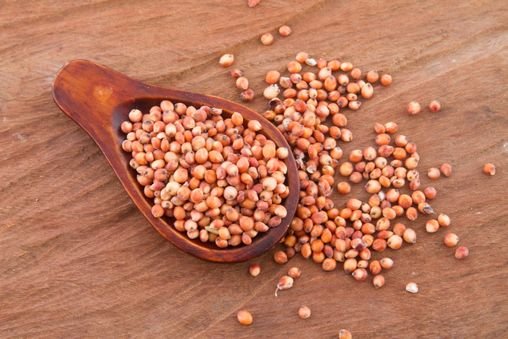
Guinea corn, also known as sorghum, is a versatile and nutritious grain that has been a staple in many cultures for centuries. Its unique nutty flavor and countless health benefits make it a valuable addition to any diet. Whether you use it for baking, brewing, or as a wholesome side dish, guinea corn offers a wealth of culinary possibilities. In this article, we will delve into the fascinating world of guinea corn, exploring its history, nutritional value, and culinary uses. So, let’s uncover the wonders of guinea corn together.

The Wonderful World of Guinea Corn
Welcome, young explorers! Today, we are diving deep into the fascinating world of guinea corn. Also known as sorghum, guinea corn is a versatile and nutritious grain that has been an essential part of diets around the world for centuries. Join me as we uncover the secrets and wonders of this amazing crop!
What is Guinea Corn?
Guinea corn is a type of cereal grain that belongs to the grass family. It is grown in warm climates and is known for its drought tolerance, making it a crucial crop in regions with unpredictable rainfall. Guinea corn comes in different varieties, with some having red, white, or brown grains.
History of Guinea Corn
Guinea corn has a long and rich history, dating back thousands of years. It is believed to have originated in Africa and was one of the earliest grains to be domesticated by humans. Ancient civilizations relied on guinea corn as a staple food source, using it to make bread, porridge, and beverages.
Cultivation and Harvesting
Growing guinea corn is a labor of love that requires careful attention and hard work. Farmers plant the seeds in well-drained soil and ensure they have enough sunlight and water to thrive. As the plants grow, they develop long stalks with clusters of grain-filled seed heads. When the grains are fully matured, they are ready to be harvested and processed.
Benefits of Growing Guinea Corn
One of the great things about guinea corn is its resilience to harsh conditions. It can withstand periods of drought and heat, making it a reliable crop for farmers in arid regions. Additionally, guinea corn is a low-maintenance crop that requires minimal inputs, making it a cost-effective choice for small-scale farmers.
Nutritional Value
Guinea corn is not only delicious but also packed with essential nutrients that are beneficial for our health. It is a good source of carbohydrates, fiber, and protein, making it a filling and nutritious food choice. Guinea corn also contains vitamins and minerals like iron, magnesium, and phosphorus, which are important for our overall well-being.
Health Benefits of Guinea Corn
Including guinea corn in your diet can have numerous health benefits. Its high fiber content can aid digestion and promote a healthy gut. The iron in guinea corn helps prevent anemia, while the magnesium supports bone health. Additionally, the antioxidants present in guinea corn can help protect our cells from damage.
Uses of Guinea Corn
Guinea corn is a versatile ingredient that can be used in various ways to create delicious and nutritious dishes. It can be ground into flour to make bread, porridge, or pancakes. It can also be popped like popcorn for a tasty snack or brewed into a refreshing beverage. The possibilities are endless!
Traditional Recipes with Guinea Corn
One popular way to enjoy guinea corn is by making a traditional porridge called “ogi” or “koko.” This creamy and comforting dish is made by fermenting guinea corn flour and serving it with milk and sugar. Another favorite is “sorghum beer,” a fermented beverage enjoyed in many African cultures during special occasions.
Guinea corn is truly a remarkable grain that has sustained communities and enriched diets for generations. Its versatility, nutritional value, and resilience make it a valuable crop with endless possibilities. So, the next time you see guinea corn at the market, remember the stories and secrets hidden within this tiny grain. Happy exploring!
And there you have it, young adventurers! I hope you enjoyed our journey into the wonderful world of guinea corn. Remember to share your newfound knowledge with your friends and family, and maybe even try cooking up a guinea corn dish together. Until next time, keep exploring and learning about the amazing world around you!
Benefits of Guinea corn
Frequently Asked Questions
What is guinea corn and how is it used?
Guinea corn, also known as sorghum, is a cereal grain that is widely cultivated in Africa. It is used to make traditional foods like porridge, bread, and beverages. Additionally, guinea corn is used as animal feed and in the production of alcoholic beverages.
What are the health benefits of consuming guinea corn?
Guinea corn is a nutritious grain that is rich in antioxidants, vitamins, and minerals such as iron and magnesium. Consuming guinea corn can help improve digestion, boost energy levels, and support overall health.
How is guinea corn different from other grains like wheat and rice?
Unlike wheat and rice, guinea corn is gluten-free, making it a suitable option for individuals with gluten intolerance or celiac disease. Guinea corn also has a slightly nutty flavor and a chewy texture, adding a unique taste to dishes.
Final Thoughts
Guinea corn is a versatile and nutritious grain that has been a staple in many cultures for centuries. Its resilience to harsh growing conditions makes it a valuable crop for food security. As global interest in alternative grains grows, guinea corn stands out for its health benefits and adaptability. With its rich history and promising future, guinea corn is a grain worth exploring and incorporating into diverse diets worldwide.