
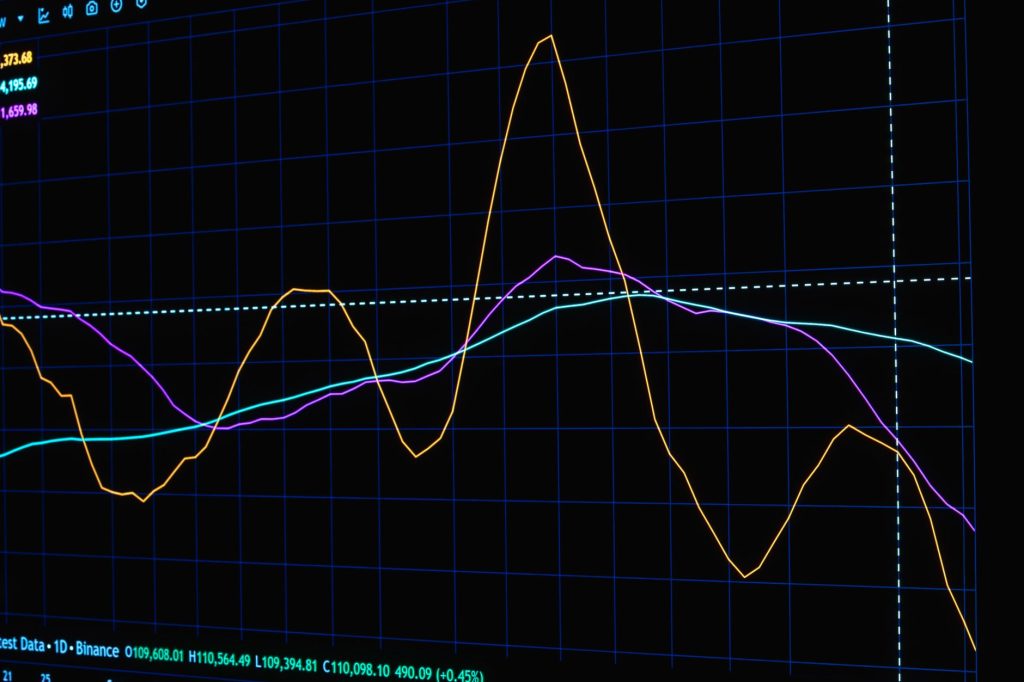
FPI investment trends have reversed course since the introduction of LTCG in 2018, leading to notable outflows. This shift raises concerns about future market stability.
Understanding FPI Investment
Foreign Portfolio Investment (FPI) plays a crucial role in shaping the financial landscape of emerging markets. Understanding FPI investment trends is essential for analyzing economic health and market dynamics. Over the years, FPI has been characterized by significant inflows that bolster market confidence and liquidity.
However, the recent shift in these trends has raised concerns among investors and analysts alike. Factors contributing to this change include:
- Changes in taxation policies: The reintroduction of Long-Term Capital Gains (LTCG) tax in 2018 has deterred many foreign investors.
- Global economic uncertainties: Fluctuations in global markets and geopolitical tensions have prompted FPI outflows.
- Shift in investor sentiment: Growing caution among foreign investors has led to a reevaluation of their portfolios.
As a result, FPI is witnessing its worst shift since 2018, sparking debates on the future of investment in the region.
The Impact of LTCG on Investments
The reintroduction of Long-Term Capital Gains (LTCG) tax in 2018 has had a profound impact on FPI investment trends. As international investors reassess their strategies, the consequences of this tax policy have become increasingly apparent.
Key effects include:
- Decreased Inflows: The initial enthusiasm for Indian markets has waned, leading to significant capital outflows.
- Investor Sentiment: Many foreign investors are hesitant to commit capital, fearing additional taxation on their gains.
- Market Volatility: The shift from inflows to outflows has contributed to increased volatility in equity markets.
Consequently, the overall landscape for FPI investment trends has shifted dramatically, raising concerns about future investment patterns in India.
Current Market Sentiment
Current market sentiment has shown a significant shift in FPI investment trends, leading to a notable reversal from previously strong inflows to alarming outflows. Investors are increasingly cautious, reacting to various economic factors and policy changes since the reintroduction of the Long-Term Capital Gains (LTCG) tax in 2018.
Market analysts suggest that this shift can be attributed to:
- Global Economic Uncertainty: Fluctuations in international markets have prompted FPI to reconsider their positions.
- Domestic Policy Changes: Recent government reforms have created uncertainty regarding future growth.
- Investor Sentiment: A growing trend of risk aversion among investors is causing a reevaluation of portfolios.
As the market adjusts, understanding these FPI investment trends will be crucial for navigating future opportunities.
Historical Trends in FPI
Historically, Foreign Portfolio Investment (FPI) has shown significant fluctuations, often influenced by changes in market conditions and government policies. Since 2018, the reintroduction of the Long-Term Capital Gains (LTCG) tax has been a pivotal factor affecting FPI investment trends. In the years following this change, many foreign investors expressed concerns about the potential impact on their returns.
Initially, FPI witnessed robust inflows as investor sentiment remained positive. However, as the implications of the LTCG tax became clearer, a substantial shift occurred. Recent data indicates a marked transition from inflows to outflows, highlighting an apparent loss of confidence among foreign investors.
- 2018: Introduction of LTCG tax
- 2019-2021: Period of steady inflows
- 2022-2023: Significant outflows observed
This trend marks one of the worst shifts in FPI history since 2018.
Future Predictions for FPI
As we look ahead, experts are closely monitoring the FPI investment trends that may shape the market landscape. Analysts predict several key developments:
- Increased Volatility: With global economic uncertainties, FPIs are likely to remain cautious, leading to fluctuations in investment patterns.
- Sector Rotation: Investors may shift focus from traditional sectors to emerging industries, seeking better returns amidst changing market dynamics.
- Policy Changes: Any significant shifts in government policy regarding taxation or foreign investment could impact FPI flows dramatically.
- Global Economic Recovery: A strong recovery in key economies may encourage FPIs to re-enter the Indian market, but only if confidence is restored.
Overall, the coming months will be crucial in determining the future trajectory of FPI investments.
Investor Reactions to Changes
As the FPI investment trends have shifted dramatically since the reintroduction of the Long-Term Capital Gains (LTCG) tax in 2018, investor reactions have been mixed. Many foreign investors are expressing concerns over the stability of the Indian market, leading to notable outflows following years of robust inflows.
Some key reactions include:
- Increased Caution: Investors are adopting a wait-and-see approach, reassessing their portfolios to mitigate risks.
- Diversification: There’s a noticeable trend toward diversifying investments across different regions to offset potential losses in India.
- Focus on Alternatives: Some are exploring alternative investment avenues, seeking opportunities outside of traditional markets.
Overall, the shift in FPI investment trends is prompting a reevaluation of strategies as investors navigate this new landscape.
Analyzing Outflow Patterns
Recent data indicates a concerning shift in FPI investment trends, with significant outflows observed in various sectors. This reversal marks the worst change in investment patterns since 2018, primarily driven by external market pressures and regulatory changes. Analysts have identified several key factors contributing to this outflow:
- Regulatory Adjustments: The return of Long-Term Capital Gains (LTCG) tax has deterred many investors.
- Global Economic Concerns: Uncertainty in international markets has led to decreased confidence among foreign investors.
- Domestic Market Volatility: Increased volatility in the Indian market has prompted a reevaluation of investment strategies.
As FPI investment trends continue to evolve, understanding these outflow patterns will be crucial for predicting future movements and their impact on the economy.
Strategies for Investors
As FPI investment trends shift dramatically, investors are advised to adopt new strategies to navigate the changing landscape. Here are some key approaches:
- Diversification: Spread investments across various sectors to mitigate risks associated with market volatility.
- Focus on Quality: Prioritize companies with strong fundamentals and consistent performance to weather downturns.
- Stay Informed: Keep abreast of regulatory changes and market sentiment to make informed decisions.
- Long-term Perspective: Maintain a long-term outlook rather than reacting impulsively to short-term fluctuations.
- Consult Professionals: Seek advice from financial advisors to tailor investment strategies based on individual risk tolerance and goals.
By implementing these strategies, investors can better manage their portfolios amid the worst shift in FPI investment trends since 2018.
Photo by Rafael Minguet Delgado on Pexels