
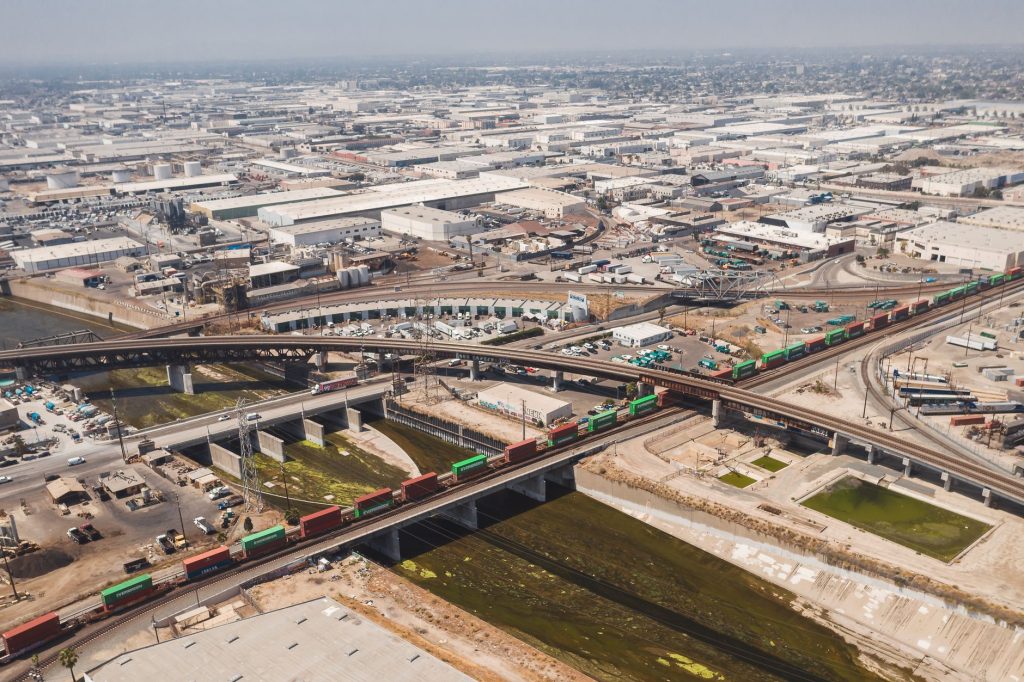
Freight train interchanges have reached a remarkable milestone, with DFCCIL achieving 946 interchanges in a single day. This achievement highlights the efficiency of the freight system and its impact on the market.
Overview of DFCCIL’s Performance
In a significant achievement for the Dedicated Freight Corridor Corporation of India Limited (DFCCIL), the organization has reported a record high of 946 freight train interchanges in a single day. This milestone underscores the growing efficiency and capacity of India’s freight transport system.
The performance of DFCCIL showcases its commitment to enhancing the logistics infrastructure across the country, facilitating better movement of goods. With the implementation of advanced technologies and the expansion of rail networks, the efficiency of freight train interchanges has notably improved.
Key factors contributing to this achievement include:
- Increased Capacity: The dedicated corridors enable a larger volume of freight trains to operate simultaneously.
- Streamlined Operations: Improved scheduling and coordination have reduced turnaround times.
- Innovative Solutions: The use of modern tracking and management systems has optimized the flow of goods.
This record not only highlights DFCCIL’s operational excellence but also reflects the growing demand for freight transport across various industries in India. As the economy continues to expand, the role of freight train interchanges will be crucial in supporting seamless logistics and trade.
Impact on Freight Transportation
The recent achievement by DFCCIL in reaching a record high of 946 freight train interchanges in a single day marks a significant milestone in freight transportation. This accomplishment not only showcases the efficiency of the current rail network but also highlights the growing demand for reliable logistics solutions in the country.
One of the key impacts of this record performance is the enhancement of supply chain operations. With improved freight train interchanges, businesses can expect faster delivery times and reduced operational costs. This efficiency is vital as industries strive to meet consumer demands in a timely manner.
Moreover, the increased interchanges facilitate better connectivity between major logistics hubs, which is essential for seamless transportation of goods across regions. As a result, companies are able to optimize their inventory management and distribution strategies.
In addition to economic benefits, the rise in freight train interchanges also contributes to environmental sustainability. By promoting rail transport over road transport, the carbon footprint associated with logistics is significantly reduced.
Overall, the record high achieved by DFCCIL stands as a testament to the potential of freight train interchanges to revolutionize the freight transportation landscape.
Market Trends in Rail Logistics
The rail logistics sector is experiencing significant changes as demand for efficient transportation solutions grows. With the recent achievement by DFCCIL, which recorded an impressive 946 freight train interchanges in a single day, the industry is witnessing a pivotal moment.
Several key trends are emerging in the market:
- Increased Demand: The surge in e-commerce and the need for timely deliveries are driving higher demand for rail freight services.
- Technological Advancements: Innovations in logistics technology, including real-time tracking and automated systems, are enhancing operational efficiency.
- Environmental Considerations: As companies seek to reduce their carbon footprint, rail transport is increasingly viewed as a greener alternative to road transport.
- Infrastructure Investment: Governments and private entities are investing in rail infrastructure, optimizing routes, and expanding capacity to handle rising freight volumes.
These trends indicate a robust future for rail logistics, demonstrating that freight train interchanges will continue to play a crucial role in meeting the evolving needs of the supply chain.
Future Projections for Freight Services
The future of freight services looks promising, particularly in light of the recent achievements recorded by the Dedicated Freight Corridor Corporation of India Limited (DFCCIL). With a remarkable milestone of 946 freight train interchanges in a single day, industry experts predict sustained growth in freight transportation efficiency.
Several key factors are expected to drive this growth:
- Infrastructure Development: Continued investment in rail infrastructure is anticipated to enhance capacity and reduce transit times.
- Technological Advancements: The integration of advanced technologies in logistics management will streamline operations, making interchanges more efficient.
- Increased Demand: A rising demand for goods transported by rail is projected, driven by a shift towards more sustainable transport alternatives.
- Collaboration with Industry Stakeholders: Enhanced partnerships between rail operators and freight companies will facilitate smoother operations and improve service reliability.
As these developments unfold, the focus on freight train interchanges will become increasingly pivotal in shaping the future of rail logistics, ensuring that the momentum gained in recent months is not only maintained but also expanded upon.
Significance of Record Interchanges
The recent achievement of 946 freight train interchanges in a single day marks a significant milestone in the realm of rail logistics. This record not only underscores the efficiency of the Dedicated Freight Corridor Corporation of India Limited (DFCCIL) but also highlights the growing importance of freight train interchanges in enhancing supply chain operations across the country.
Such a high volume of interchanges indicates a robust infrastructure capable of handling increased freight traffic, ultimately leading to reduced transit times and lower logistics costs. The implications of this achievement are far-reaching:
- Enhanced Efficiency: The seamless transfer of goods between trains optimizes operational workflows.
- Cost Savings: Improved interchanges lead to reduced overall transportation expenses for businesses.
- Environmental Benefits: Shifting freight from road to rail reduces carbon emissions, contributing to sustainability goals.
- Economic Growth: Increased freight interchanges stimulate regional economies by facilitating trade and commerce.
Overall, the record high in freight train interchanges signifies a pivotal advancement in India’s logistics sector, paving the way for future innovations and improvements in freight services.
Photo by RDNE Stock project on Pexels