
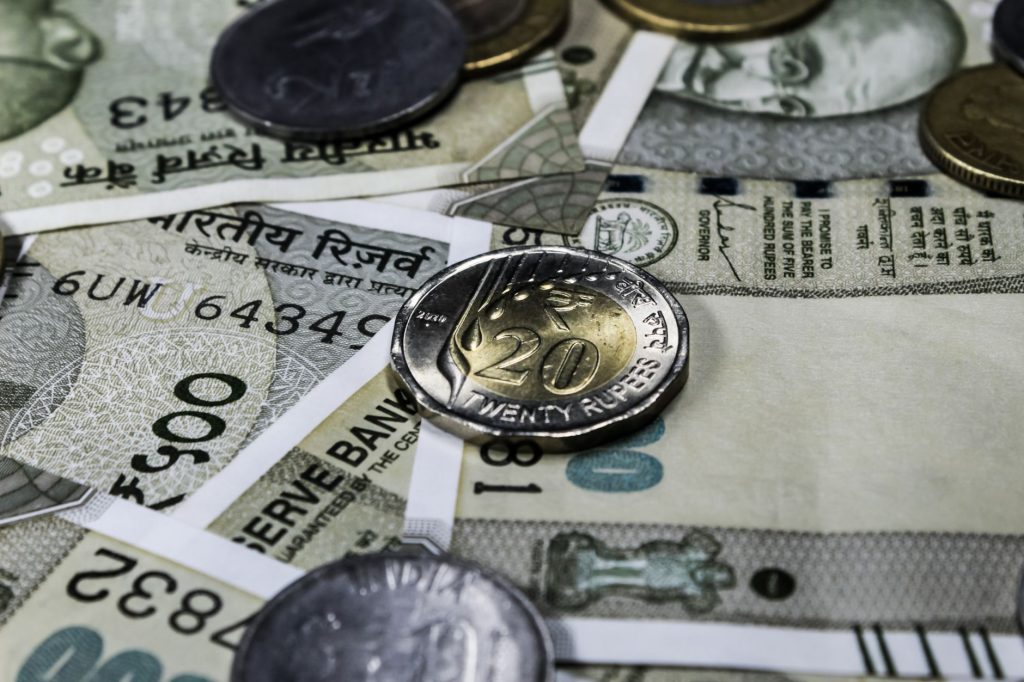
RBI dollar window is now available for oil companies, providing them with crucial support in managing their dollar liquidity needs.
What is the RBI Dollar Window?
The Reserve Bank of India (RBI) has recently introduced a special facility known as the dollar window, aimed specifically at assisting oil companies in managing their foreign currency requirements. This initiative comes in response to the rising global oil prices and the subsequent strain on the Indian economy. The RBI dollar window allows oil companies to access U.S. dollars at competitive rates, which can alleviate some of the financial pressures they are facing.
Essentially, the RBI dollar window functions as a liquidity support mechanism, enabling oil importers to procure dollars without the need for extensive market interventions. This can significantly streamline the process of acquiring foreign currency, thus ensuring that these companies can operate smoothly despite fluctuations in the forex market.
Here are some key features of the RBI dollar window:
- Direct Access: Oil companies can obtain dollars directly from the RBI, bypassing traditional banking channels.
- Competitive Rates: The facility is designed to provide favorable exchange rates, reducing the overall cost of imports.
- Timely Assistance: The dollar window aims to provide immediate liquidity, which is crucial during times of market volatility.
As oil prices continue to fluctuate, the effectiveness of the RBI dollar window in stabilizing the market and supporting oil companies will be closely monitored by industry experts and policymakers alike.
How Does the Dollar Window Benefit Oil Companies?
The recent introduction of the RBI dollar window has sparked significant interest among oil companies struggling with rising global crude prices and currency fluctuations. This initiative aims to provide a streamlined mechanism for acquiring U.S. dollars, which are essential for international oil purchases. Here are some key benefits that the dollar window offers to oil companies:
- Ease of Access to Foreign Currency: The dollar window allows oil companies to access U.S. dollars more efficiently, reducing the hurdles typically associated with foreign exchange transactions.
- Cost Effectiveness: By offering favorable rates, the RBI dollar window can lead to lower overall import costs for oil companies, which can be passed on to consumers.
- Stabilization of Supply Chains: With more predictable dollar access, oil companies can stabilize their supply chains, ensuring timely procurement of crude oil without the fear of currency-related disruptions.
- Enhancing Financial Planning: Companies can better strategize their financial planning and budgeting, knowing they have a reliable source of dollars available through the RBI’s initiative.
- Support in Times of Crisis: The dollar window serves as a safety net during times of economic uncertainty, providing oil companies with a fallback option when traditional markets are volatile.
In summary, the RBI dollar window presents a promising solution to many challenges faced by oil companies, potentially transforming their operational landscape.
Key Implications for the Banking Sector
The recent decision by the Reserve Bank of India (RBI) to open a special dollar window for oil companies has significant implications for the banking sector. This initiative aims to provide a more streamlined access to foreign currency, which is crucial for oil imports and can potentially stabilize the market.
One of the primary effects of the RBI dollar window is the reduction in volatility for the Indian rupee. By allowing oil companies to access dollars directly from the RBI, the dependence on the forex market diminishes, which can lead to less speculative trading and a more stable exchange rate.
Moreover, this move may enhance liquidity in the banking system. As oil companies gain easier access to dollars, they may increase their transactions with banks, resulting in higher deposit levels and a boost in lending activities. This could create a ripple effect, benefiting not only oil firms but also the broader economy.
However, there are potential risks involved. Banks will need to manage their dollar exposure carefully to avoid significant losses in case of adverse currency fluctuations. Furthermore, the long-term sustainability of the RBI dollar window depends on the overall health of the banking sector and the global oil market.
- Currency Stability: Reduced volatility of the rupee.
- Increased Liquidity: Enhanced banking transactions and lending.
- Risk Management: Need for banks to monitor dollar exposure closely.
In conclusion, while the RBI dollar window presents opportunities, it also necessitates careful consideration by banks and regulators alike.
Market Reactions to RBI’s Decision
Market reactions to the RBI dollar window have been mixed, reflecting both optimism and caution among investors and economists. On one hand, the decision to open a special dollar window for oil companies was seen as a timely intervention to support a critical sector that has been grappling with rising global oil prices and currency volatility.
Many analysts believe this move will enhance liquidity for oil firms, allowing them to stabilize their operations amidst fluctuating costs. Increased access to dollars could lead to a more favorable pricing strategy for fuel, which may benefit consumers in the long run.
However, there are concerns about the potential long-term impacts of this decision. Some market experts argue that the reliance on the RBI dollar window might create an expectation of continuous support, which could deter oil companies from pursuing sustainable financial strategies.
Moreover, this initiative may lead to a ripple effect across other sectors, raising questions about fairness and equity. If oil companies receive preferential treatment, other industries might demand similar support, potentially straining the central bank’s resources.
Overall, while the RBI dollar window is viewed as a necessary step to bolster oil companies, the broader market will be watching closely to assess its implications on the economy and the banking sector in the coming months.
Comparative Analysis with Previous Measures
The recent introduction of the RBI dollar window has prompted a comparative analysis with previous measures employed by the Reserve Bank of India to assist oil companies during times of currency instability. Historically, the RBI has utilized various mechanisms to stabilize the foreign exchange market, but the effectiveness and efficiency of these measures have varied significantly.
One of the most notable past interventions was the Foreign Currency Non-Resident (FCNR) deposit scheme, which aimed to attract foreign currency deposits from NRIs. While it did provide some relief, it proved to be insufficient in addressing the immediate liquidity needs of oil companies. In contrast, the RBI dollar window offers a more direct approach by facilitating immediate access to dollars at a predetermined rate, thus alleviating pressure on companies that are critically dependent on imports for oil.
Additionally, the previous reliance on market-based mechanisms often led to delays and increased uncertainty for oil companies. The introduction of the dollar window not only streamlines the process but also enhances predictability in foreign exchange costs. Comparatively, this new measure could prove to be a more sustainable solution, especially amid fluctuating crude oil prices and geopolitical tensions that impact supply chains.
In conclusion, the RBI dollar window represents a pivotal shift in policy, potentially offering a more robust framework for supporting oil companies compared to earlier interventions.
Future Outlook for Oil Companies and the RBI
The recent introduction of the RBI dollar window has generated considerable discussion regarding its long-term implications for oil companies in India. As these firms grapple with fluctuating global oil prices and exchange rate volatility, the dollar window could provide a crucial lifeline. However, the effectiveness of this measure hinges on several factors that will shape the landscape for oil companies moving forward.
First, the sustainability of the RBI dollar window will depend on its ability to adapt to changing market conditions. If global oil prices continue to rise, the demand for dollars will also increase, potentially straining the system. Oil companies may need to develop strategies to mitigate these risks, such as diversifying their sourcing or refining processes.
Additionally, the impact of this initiative on domestic inflation and currency stability will be closely monitored. Should the dollar window lead to increased imports and a widening trade deficit, the RBI might need to recalibrate its approach, which could directly affect oil companies’ operations.
Furthermore, the collaboration between the RBI and oil companies will be paramount. Establishing clear communication channels and frameworks for accessing the dollar window will enhance the overall efficacy of this initiative. Ultimately, while the RBI dollar window presents an opportunity, its success will depend on strategic responses from oil companies and the broader economic environment.
Photo by Ravi Roshan on Pexels